
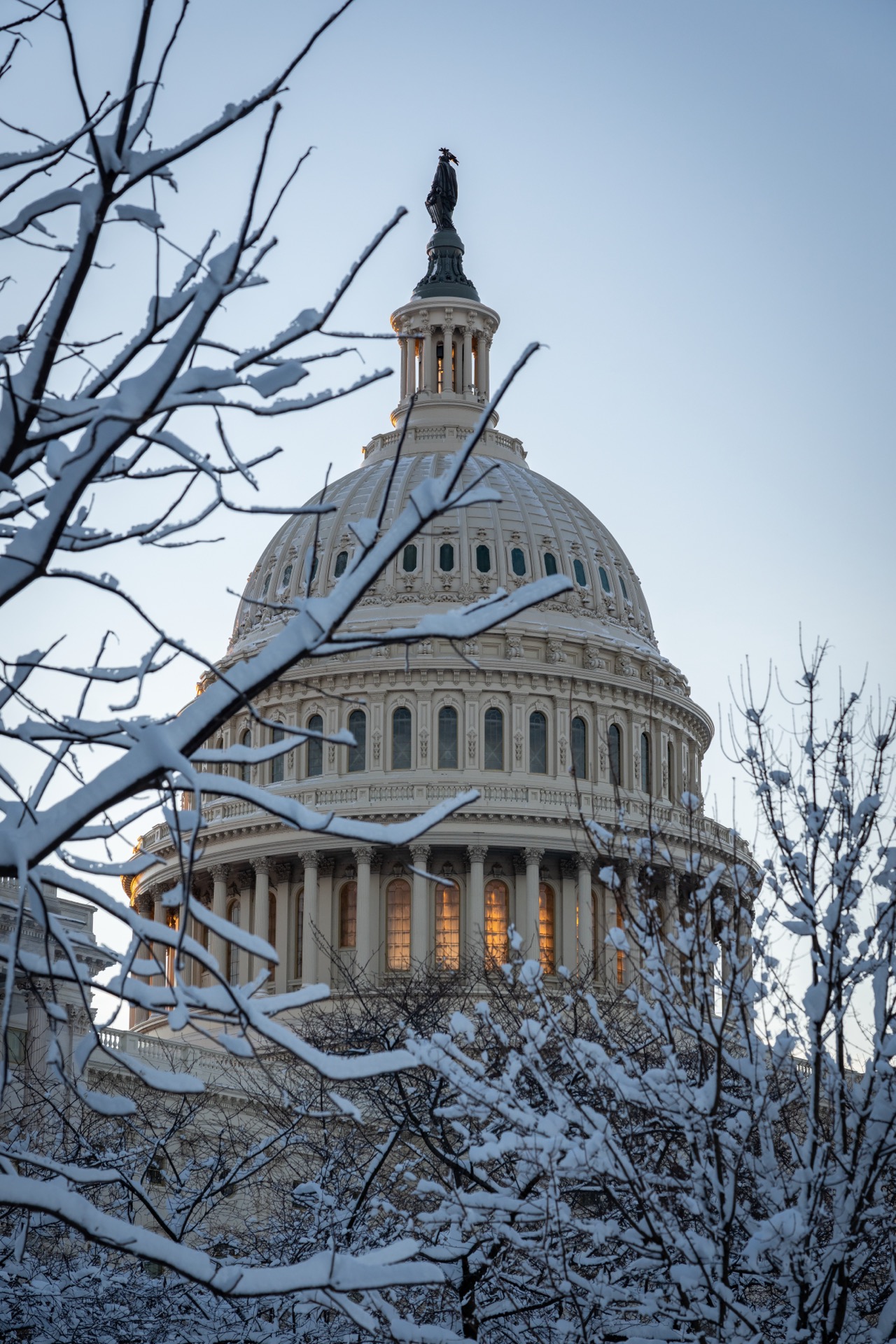
WASHINGTON, D.C. — A bipartisan group of lawmakers today introduced new legislation aimed at strengthening the nation’s cybersecurity preparedness and improving coordination between federal agencies and private industry in response to emerging digital threats.
The proposed Cybersecurity Preparedness and Response Act would expand information-sharing mechanisms between government entities and critical infrastructure operators, including energy providers, financial institutions, and healthcare networks. Sponsors of the bill said the measure is designed to address increasingly sophisticated cyberattacks targeting both public systems and private sector operations.
Under the proposal, federal agencies would be required to conduct regular joint threat assessments and establish unified response protocols for large-scale cyber incidents. The legislation also calls for updated minimum security standards for contractors working with federal departments.
Lawmakers emphasized that recent cyber disruptions have underscored vulnerabilities in supply chains and public utilities. By streamlining reporting requirements and creating a centralized response coordination office, the bill aims to reduce delays during crisis situations and prevent cascading impacts across multiple sectors.
The measure includes funding for state and local governments to upgrade outdated digital infrastructure, particularly in smaller jurisdictions with limited cybersecurity resources. Grants would support network modernization, workforce training, and emergency response exercises.
Industry representatives have voiced cautious support, noting that collaboration between government and private operators is essential to maintaining national resilience. However, some stakeholders have called for clearer liability protections to encourage broader participation in threat intelligence sharing.
The legislation also prioritizes workforce development, allocating resources to expand cybersecurity apprenticeship programs and partnerships with universities. Supporters argue that addressing talent shortages is critical to sustaining long-term national defense against evolving digital threats.
Congressional committees are expected to hold hearings in the coming weeks to examine implementation details and potential budget implications. While debate continues over funding levels, backers of the bill expressed optimism that bipartisan consensus could move the measure forward this session.
The Washington Herald
editorial@thewashingtonherald.com
Washington, D.C.





Be First to Comment