
WASHINGTON, D.C. — A sprawling winter storm pushing heavy snow, sleet, and freezing rain across large parts of the country has disrupted air and road travel, strained power systems, and prompted repeated warnings for dangerous conditions as the system tracks east.
Forecast offices with the National Weather Service said the storm’s impacts were expected to vary by region, with heavy snow in colder zones and a corridor of icing where temperatures hovered around freezing. Emergency managers in several states urged residents to limit nonessential travel, keep extra supplies on hand, and check local advisories as conditions changed quickly.
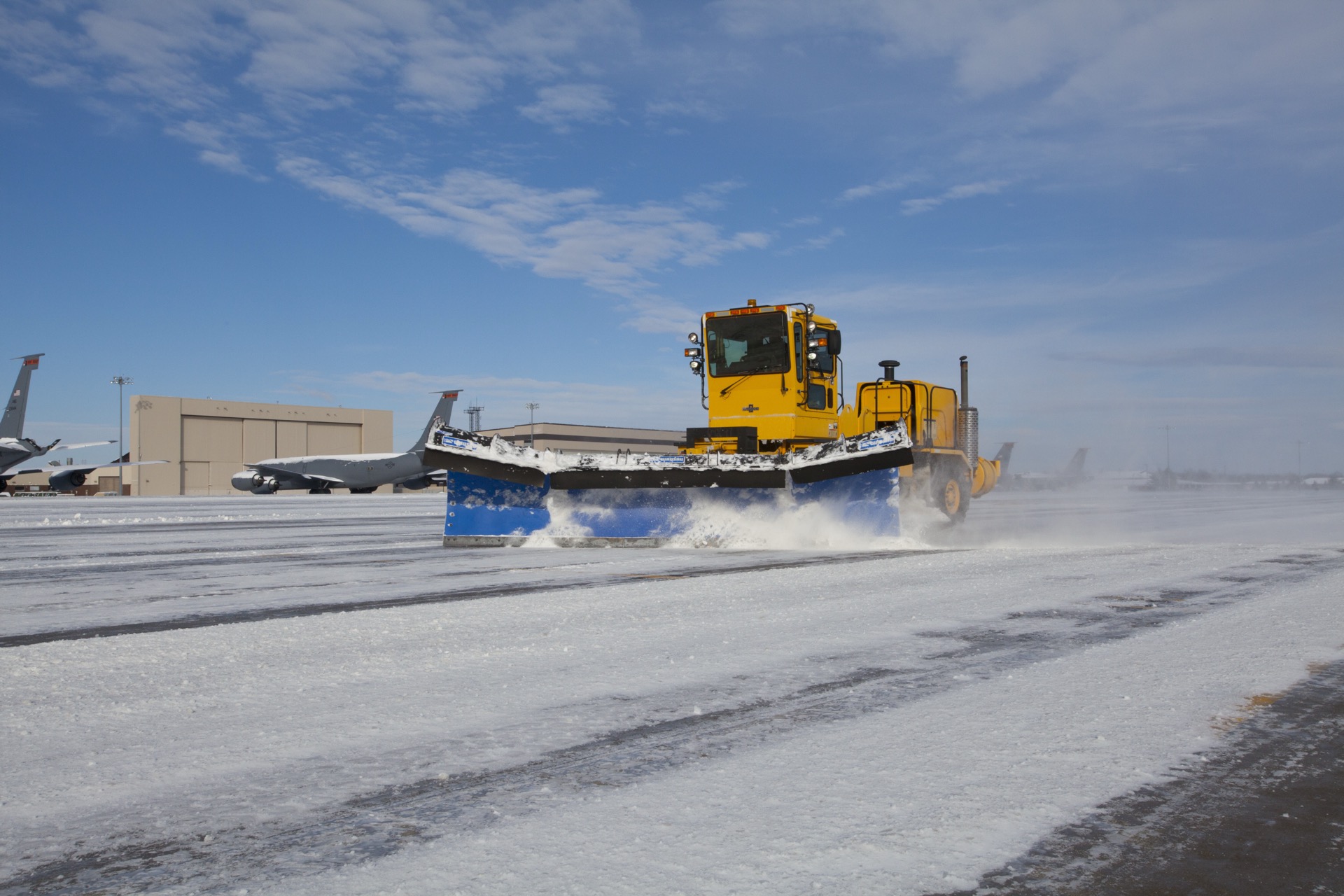
Airports across the affected region reported delays and cancellations as crews worked to clear runways and de-ice aircraft. Major airlines issued waivers allowing customers to change flights without fees, and transportation agencies cautioned that roadway conditions could deteriorate rapidly, especially after dark when temperatures dip and refreezing becomes more likely.
Utility crews in multiple states worked to restore service after ice accumulation and strong winds contributed to downed lines and tree damage. Officials urged people to treat every downed wire as live, to use generators outdoors and away from windows, and to avoid heating homes with grills or other indoor combustion sources due to the risk of carbon monoxide poisoning.
Local governments and school districts adjusted operations as the storm moved through. Some jurisdictions announced closures or shifted to remote learning, while public works departments prioritized plowing routes for hospitals, emergency services, and other critical facilities. In urban areas, officials emphasized clearing sidewalks and hydrants, and reminded residents to check on neighbors who may need help with groceries, medication, or heating.
While the heaviest precipitation is expected to move out in stages, forecasters warned that lingering cold and additional bursts of precipitation could extend hazardous conditions into the start of the workweek. Drivers were advised to allow extra time for commutes, maintain safe following distances, and carry blankets, chargers, and water in case of delays.
Federal officials said they were monitoring the storm’s impacts on transportation and infrastructure and coordinating with state and local partners where assistance is needed. As communities begin cleanup, authorities continued to urge caution on roads and around ice-laden trees and power lines, noting that secondary hazards can persist well after the last bands of precipitation pass.
The Washington Herald
editorial@thewashingtonherald.com
Washington, D.C.





Be First to Comment