
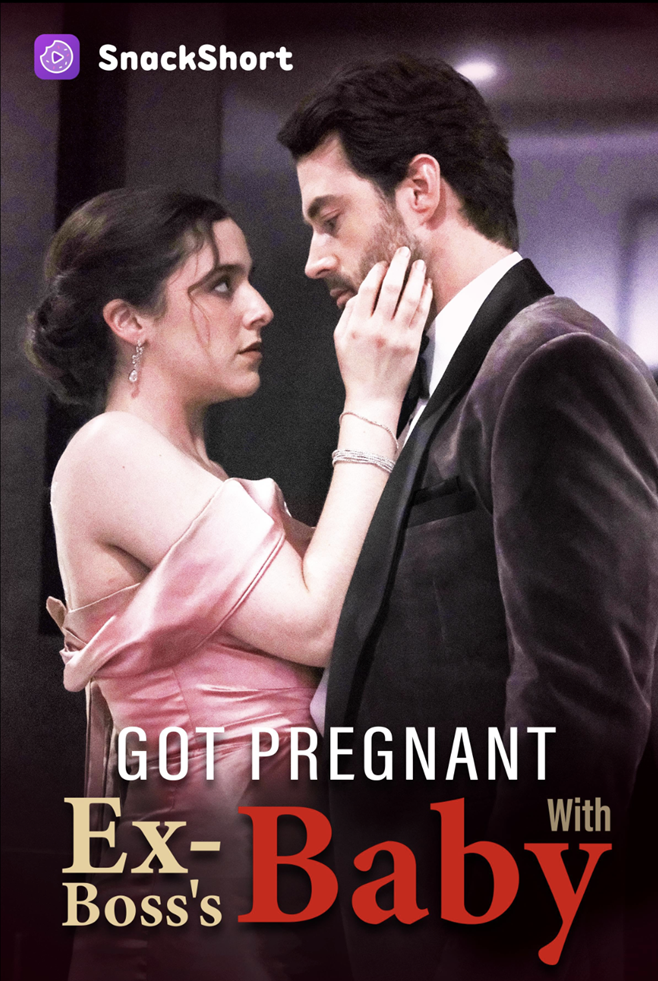
April, 2026 – As vertical short-form dramas continue to gain traction in the global entertainment market, filmmakers are adapting traditional cinematic techniques to meet the demands of mobile-first storytelling. Among those contributing to this emerging format is Los Angeles–based cinematographer Danni Ma, whose recent work on the hit vertical series “Got Pregnant with Ex-Boss’s Baby” reflects the growing intersection between cinematic craft and digital content performance.
Vertical dramas, typically produced in short episodic formats designed for smartphone viewing, have rapidly expanded in both audience reach and monetization potential. Platforms such as SnackShort, DramaBox, and Reelshort have invested heavily in this format, driven by strong user engagement and new revenue models centered around in-app purchases and serialized storytelling.
Within this evolving landscape, “Got Pregnant with Ex-Boss’s Baby” has emerged as a notable commercial success. The series generated over 4 million views on YouTube for its first ten free episodes, while achieving significantly higher performance on dedicated platforms. On SnackShort alone, the series accumulated more than 387.7 million views and generated over $2 million in in-app purchase revenue. It was also ranked among the Top 20 titles on DreameShort’s “Best of 2025” and “Best of 2026,” reflecting sustained audience interest across markets.
Ma served as Director of Photography on the project, overseeing the visual execution of the series. His role included designing the camera approach, shaping the lighting style, and leading the camera and lighting departments throughout production. In a format known for fast turnaround times and high output demands, maintaining consistent visual quality remains a key challenge.
“The pace of vertical drama production is very different from traditional film,” Ma said. “You have to work efficiently, but at the same time, the audience still expects a strong visual experience. Finding that balance is critical.”
Industry observers note that cinematography plays an increasingly important role in differentiating content within the crowded vertical drama market. While the format was initially associated with lower production value, recent successful projects have demonstrated that higher visual standards can directly impact audience engagement and retention.
In addition to creative execution, production efficiency is a defining factor in vertical content success. According to production teams working in the space, close collaboration between cinematography and production departments is essential to maintaining schedule and budget discipline. Ma’s work has been recognized for supporting both creative and operational goals, helping productions complete filming on time while meeting visual expectations.
Following the success of “Got Pregnant with Ex-Boss’s Baby,” Ma has continued to work as Director of Photography on multiple vertical drama projects, further establishing her role within this growing segment of the industry. One of these projects, “Mafia Daddy’s Surprise Sextuplets,” released exclusively on NetShort, generated strong audience engagement, including tens of thousands of likes and over 185,000 audience interactions.
The broader growth of vertical storytelling has also attracted attention from traditional entertainment media. Industry publications, including The Hollywood Reporter, have highlighted the increasing popularity of vertical short dramas in the United States, noting that major studios and content producers are beginning to explore opportunities within the format.
For cinematographers like Ma, this shift represents both a challenge and an opportunity. “It’s not just about adapting to a new format,” he said. “It’s about rethinking how visual storytelling works when the screen is vertical and the audience is watching on their phone. But the fundamentals—composition, lighting, emotion—those still matter.”
As digital platforms continue to expand their investment in short-form content, the role of experienced cinematographers is expected to become increasingly important. Projects that combine strong storytelling with high production value are more likely to stand out in a competitive market where audience attention is limited and engagement metrics directly impact revenue.
With a growing portfolio that spans both feature films and commercially successful vertical dramas, Ma represents a new generation of cinematographers working across formats. Her involvement in high-performing projects reflects a broader industry trend toward integrating cinematic techniques into emerging digital content models.
As vertical short dramas continue to evolve, their success will likely depend not only on story and format, but also on the creative professionals shaping their visual identity. For Danni Ma, participation in this space marks a significant step in a career aligned with the future of content production and distribution.
Media Contact:





Be First to Comment