
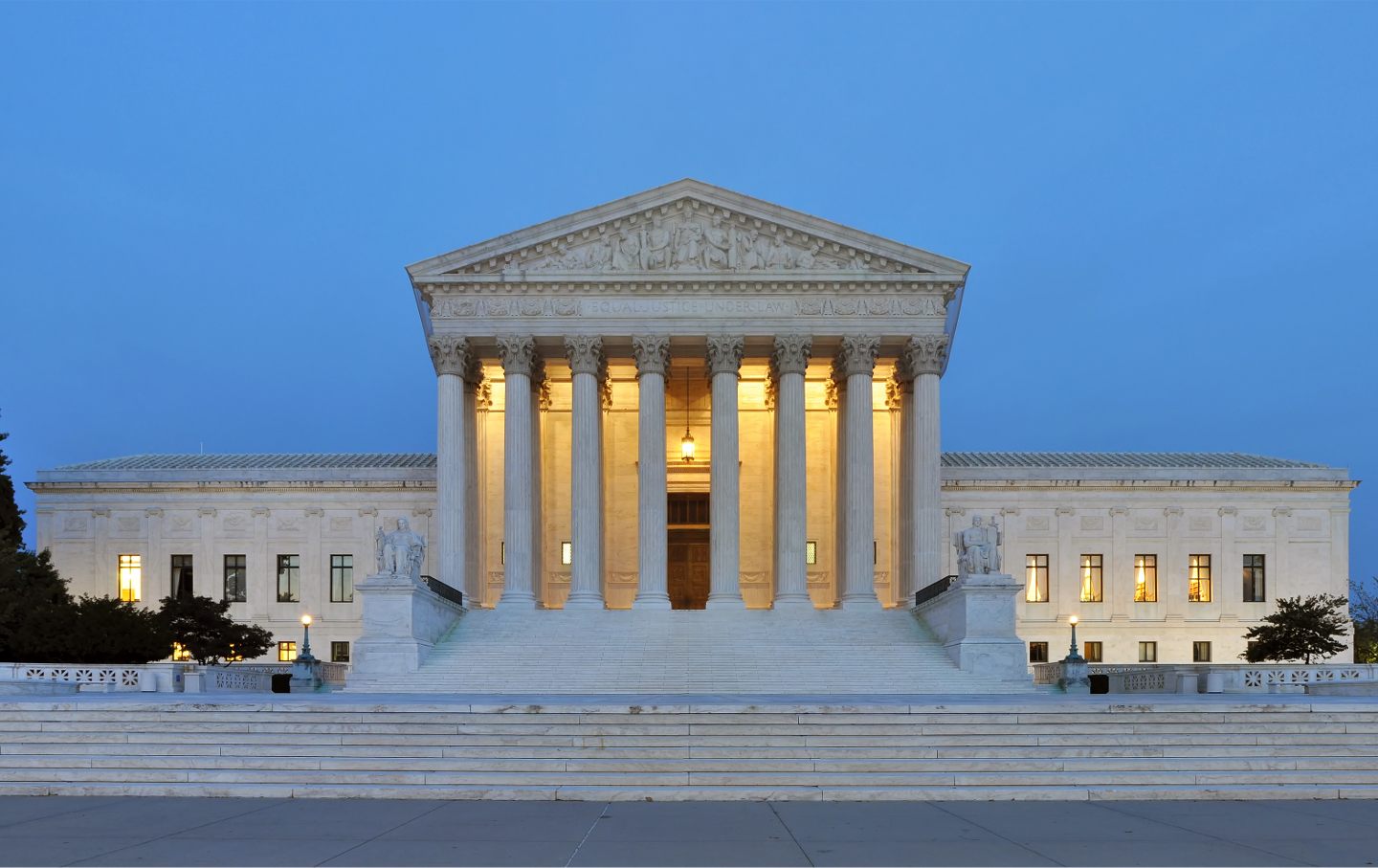
WASHINGTON, D.C. — The U.S. Supreme Court heard oral arguments today in a case challenging the federal government’s authority to implement a broad student loan forgiveness program, a dispute that could affect millions of borrowers nationwide.
At issue is whether the Department of Education acted within its statutory authority when it introduced a debt relief initiative designed to cancel a portion of federally held student loan balances for qualifying borrowers. Plaintiffs in the case argue that the executive branch exceeded its powers by implementing sweeping financial relief without explicit congressional approval.
Government attorneys defended the program, contending that existing federal law grants the Education Secretary flexibility to modify or waive loan provisions under certain circumstances. They argued that the policy was crafted to address financial strain faced by borrowers and to stabilize the broader economy.
Several justices questioned both sides on the scope of congressional intent and the limits of executive authority. Members of the Court also examined whether the plaintiffs have standing to bring the challenge and whether any financial injury claimed by states or private entities is sufficiently concrete.
Supporters of the loan forgiveness plan maintain that it provides needed relief to borrowers coping with rising living costs and long-term debt burdens. They say the program promotes economic mobility and addresses disparities in higher education financing.
Opponents argue that large-scale debt cancellation carries significant fiscal implications and should be authorized directly by Congress. They also contend that the plan could shift financial responsibility to taxpayers who did not incur student loan debt.
Outside the Court, advocacy groups on both sides gathered as arguments took place. Borrower coalitions urged the justices to uphold the program, while fiscal policy organizations called for stricter limits on executive power in spending matters.
Legal analysts note that the Court’s ruling could clarify the boundaries of administrative authority across a range of federal programs beyond student loans. A decision is expected later in the term.
The Washington Herald
editorial@thewashingtonherald.com
Washington, D.C.





Be First to Comment