
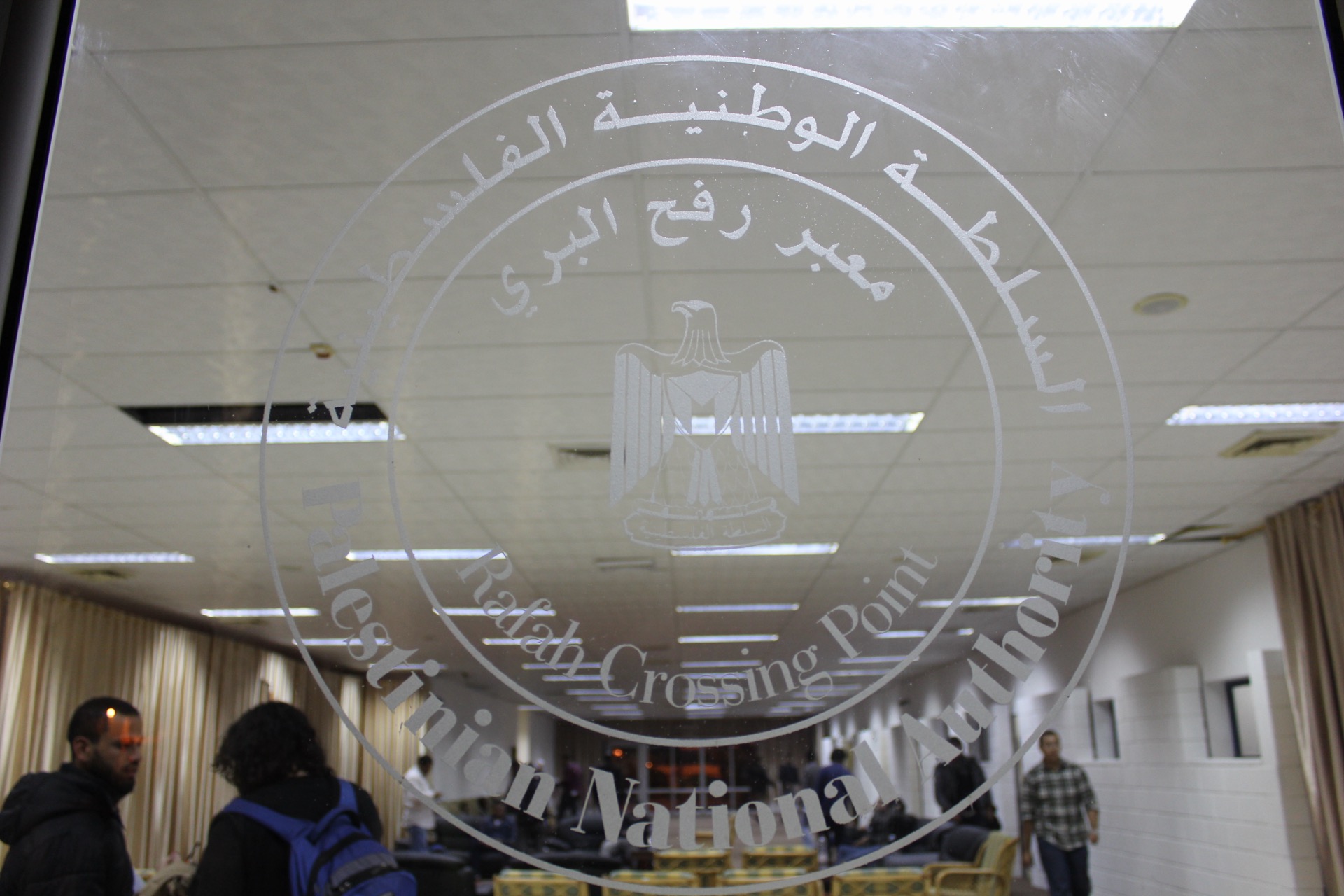
WASHINGTON, D.C. — Israel and Hamas have agreed to reopen the Rafah crossing between Gaza and Egypt after intense diplomatic negotiations following a recent escalation that saw deadly airstrikes in the area. The reopening of this key passage is intended to resume the flow of humanitarian aid to civilians in southern Gaza amid ongoing conflict and international pressure to ease the humanitarian crisis.
The agreement comes after several days of heightened violence in the Rafah region, where military operations and counter-strikes had disrupted access and contributed to significant civilian casualties. In a particularly severe incident, an airstrike in the Rafah area killed at least 30 people, according to initial reports from local authorities and eyewitnesses. The rising toll intensified calls from international humanitarian agencies and regional governments for an immediate cease-fire and unimpeded access for aid deliveries.
- Rafah crossing reopening: Under the new arrangement, the Rafah crossing will resume operations to allow trucks carrying food, medical supplies, fuel, and water to enter Gaza. Aid organizations say the difference could be life-saving, as much of the territory has endured severe shortages of basic essentials.
- Diplomatic context: The reopening followed interventions by mediators including Egypt and representatives from the United Nations, who had been pushing for a temporary truce to facilitate humanitarian access. Talks emphasized the urgent need to address civilian suffering and restore essential supply routes.
- Recent violence: The deadly airstrike that spurred renewed urgency in negotiations occurred amid an escalation of hostilities in southern Gaza. Local health officials and residents described chaotic scenes, with dozens of casualties and many more injured. The exact circumstances of the strike — including whether militants were present at the location — remain contested, with conflicting accounts emerging from military and civilian sources.
- Humanitarian situation: International aid agencies have repeatedly warned of widespread hunger and a collapse of medical services in parts of Gaza. With the Rafah crossing closed, deliveries had been severely constrained, leaving vulnerable populations — including children and the elderly — at heightened risk.
- Regional reactions: Governments across the Middle East and beyond have welcomed the reopening of the crossing, urging all parties to uphold provisions for civilian protection and to expand the duration and scope of the truce. Diplomatic statements from regional leaders stressed the importance of humanitarian aid reaching those in need without delay.
- Future outlook: While the reopening represents a temporary de-escalation, analysts caution that broader conflict dynamics remain volatile. Both sides have reiterated long-standing positions, and the sustainability of the current agreement will depend on continued diplomatic engagement and adherence to humanitarian commitments.
The Rafah crossing’s reopening offers a critical — if precarious — window for aid flows into Gaza and underscores the persistent challenges of addressing urgent humanitarian needs amid protracted conflict. International officials say monitoring mechanisms will be essential to ensure safe and consistent delivery of supplies and to prevent further civilian harm.
The Washington Herald
editorial@thewashingtonherald.com
Washington, D.C.





Be First to Comment