
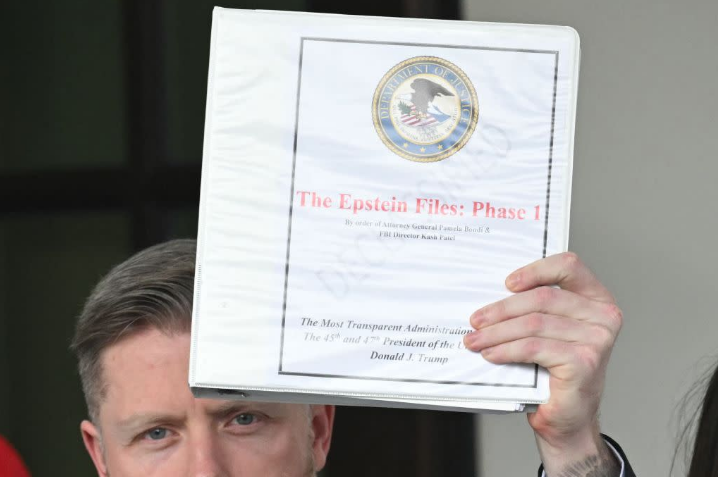
WASHINGTON, D.C. — Bipartisan pressure on the U.S. Department of Justice escalated this week as lawmakers doubled down on demands for the full release of the Jeffrey Epstein investigative files, a trove of documents tied to the late financier’s crimes and his private Caribbean island once dubbed “Epstein Island.”
In a legal filing, Representatives Thomas Massie (R-Ky.) and Ro Khanna (D-Calif.) urged a federal judge to appoint a special master to oversee compliance with the Epstein Files Transparency Act, citing DOJ failure to meet the statute’s deadline. Despite the law requiring release by Dec. 19, 2025, officials have publicly disclosed less than 1 % of the over 2 million documents.
Simultaneously, the House Oversight Committee has subpoenaed billionaire Leslie Wexner — whose financial relationship with Epstein included management of Epstein’s finances — and executors of the Epstein estate as part of its ongoing effort to trace the broader network behind the crimes.
Adding fuel to the political fire, former President Bill Clinton and Hillary Clinton reportedly skipped depositions tied to the federal investigation into Epstein’s conduct and connections, a move that has drawn sharp criticism from GOP committee members.
Separately, Mark Epstein, brother of the late Jeffrey Epstein, continues to push a controversial claim that a forthcoming autopsy report will prove his brother was murdered — a narrative long rejected by official investigations but still gaining traction in certain circles.
Much of the public’s attention remains anchored on Little Saint James Island, where decades of sexual abuse allegations centered during Epstein’s lifetime. Lawmakers and survivors alike are pushing for transparency and full context around that estate and its role, insisting the released documents and photos — including previously unseen imagery of the island’s interior — be made fully available to the public.
The DOJ has defended its slower pace as necessary for redactions and privacy protections, but critics argue that without external oversight, meaningful accountability and clarity for victims and the public will remain out of reach.
The Washington Herald
editorial@thewashingtonherald.com
Washington, D.C.





Be First to Comment