
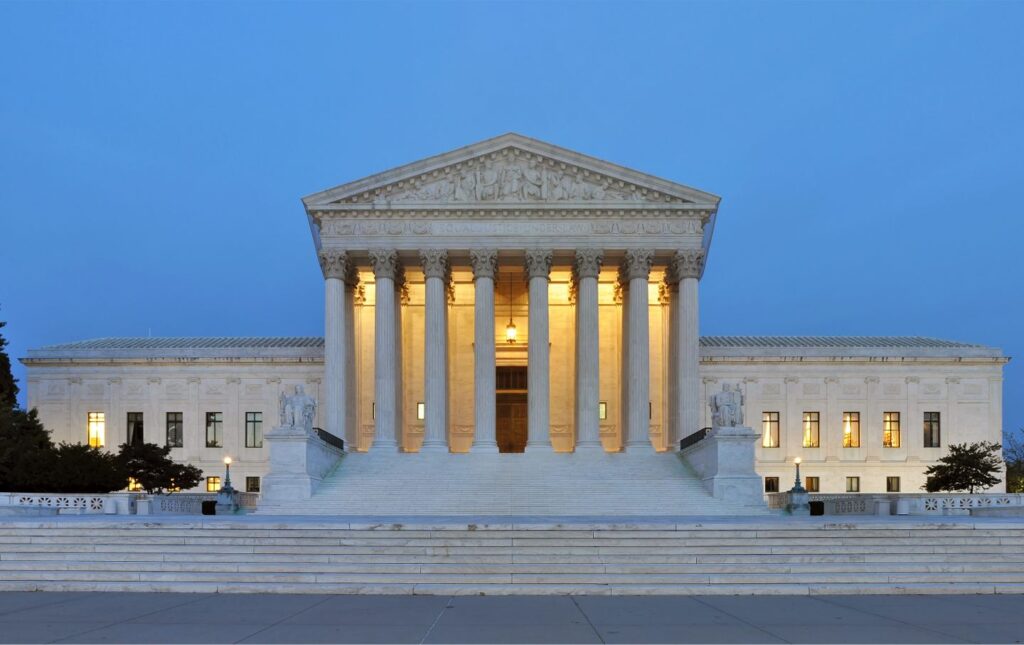
WASHINGTON, D.C. — As of Friday, October 17, 2025, at around 11:04 a.m. PT, the most widely covered development is the announcement that the U.S. federal judiciary will begin furloughing many staff due to depletion of shutdown‑related funds. While not technically “in the last 60 minutes,” the news broke within the past few hours and is dominating national coverage.
Under the continuing government shutdown, which began October 1, 2025, the judiciary has been drawing on non‑appropriated reserves to keep operations running. However, those funds have now run dry, forcing a scaling back of nonessential functions and furloughs of support personnel.
- Starting Monday, over 33,000 judiciary employees may be furloughed, including administrative staff, clerks, and probation officers.
- Judges and essential personnel will continue to be paid under the Antideficiency Act, but many court services will be suspended or delayed.
- The last available paychecks for many court workers are projected for October 24.
- Civil cases, filing deadlines, and jury trials may face significant disruption.
In the words of one internal memo, the judiciary “is approximately out of funds” and must curtail non‑essential operations immediately. (Reuters) Meanwhile, legal advocates warn that access to justice will suffer, particularly for indigent criminal defendants and civil litigants relying on timely rulings.
Timeline (Pacific Time / PT)
- October 1, 2025, 12:01 a.m. PT — The federal government shutdown begins following failure of Congress to pass appropriations.
- Over the days following — Many federal agencies furlough workers or reduce noncritical operations; courts temporarily relied on reserve funds.
- October 17, ~9:00 a.m. PT — News emerges that judicial reserve funds have been exhausted and furloughs are imminent.
- October 17, ~11:00 a.m. PT — Reuters publishes a report that courts will begin systematic furloughs starting Monday.
- October 24, 2025 — Projected last pay date for many non‑judicial court employees if no funding resolution is reached.
Across outlets, reaction has been swift: The New York Times describes the move as an erosion of the judicial system’s backbone; The Washington Post warns that even urgent cases may slow to a crawl. Legal aid organizations express alarm for vulnerable litigants, while Republican and Democratic lawmakers offer competing blame for failure to fund courts.
A statement from a federal court official reads: “We are being forced to pull back operations we have long kept open during past shutdowns — this is a turning point.” (quoted in Reuters) A public defender noted: “If your client is in custody, you still get a hearing — but everything else may stall.”
This crisis is unfolding within a broader, unresolved standoff in Congress over funding bills, foreign aid, and domestic priorities. Observers caution that further erosion of services could raise constitutional questions about separation of powers and the right to a timely hearing.
The Washington Herald
editorial@thewashingtonherald.com
Washington, D.C.






Be First to Comment