
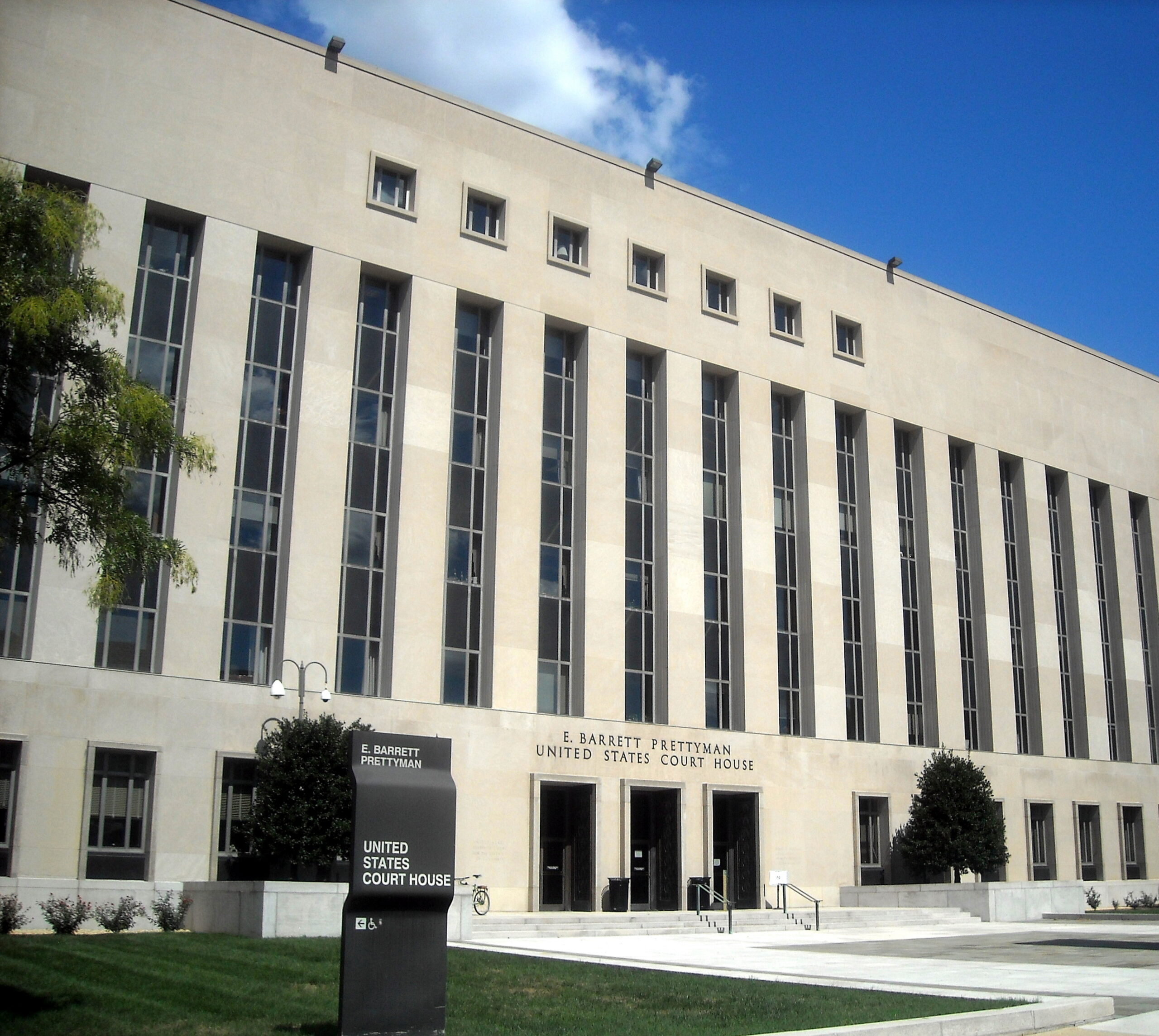
WASHINGTON, D.C. — A federal appeals court heard oral arguments today in a closely watched case challenging key provisions of a newly enacted nationwide data privacy law, as technology companies, consumer advocates, and state officials await a ruling that could shape digital regulation across the country.
The case centers on whether certain federal standards governing the collection, storage, and sale of consumer data improperly preempt stronger state-level privacy protections. Industry groups argue that a uniform national framework is necessary to avoid a patchwork of regulations that complicates compliance and increase costs. Opponents contend that the federal statute weakens safeguards previously enacted in several states.
During the hearing, judges questioned attorneys for both sides about congressional authority under the Commerce Clause and the extent to which federal law should supersede state statutes addressing online privacy, biometric information, and targeted advertising practices.
Supporters of the federal law maintain that it establishes baseline protections for consumers nationwide, including requirements for clearer disclosure of data collection practices, expanded rights to access and delete personal information, and stricter limits on data transfers to third parties. They argue that uniform standards promote clarity for businesses operating across state lines while preserving essential privacy rights.
Challengers, including a coalition of state attorneys general, assert that the law’s preemption clause undermines more comprehensive state frameworks that were adopted after years of legislative development. They say consumers in those states could lose stronger protections if federal standards are deemed controlling.
Technology industry representatives have emphasized the operational challenges of navigating multiple regulatory systems. They argue that consistent rules reduce legal uncertainty and facilitate innovation, particularly for small and mid-sized firms that lack extensive compliance resources.
Consumer advocacy organizations counter that state-level experimentation has often led to stronger safeguards and that limiting states’ authority may slow progress in addressing emerging technologies such as facial recognition, artificial intelligence profiling, and behavioral advertising.
Legal analysts note that the appellate court’s decision could have far-reaching implications beyond privacy law. The ruling may influence future disputes involving federal preemption in areas such as environmental standards, financial regulation, and public health policy.
If the appeals court upholds the federal statute’s preemption provisions, the case could still be appealed to the U.S. Supreme Court. Alternatively, if the court narrows or invalidates portions of the law, Congress may face renewed pressure to revisit the legislation.
A decision from the panel is expected in the coming months. In the meantime, companies and regulators alike are monitoring the proceedings closely, as the outcome will determine how data privacy protections are enforced nationwide.
The Washington Herald
editorial@thewashingtonherald.com
Washington, D.C.



Be First to Comment