
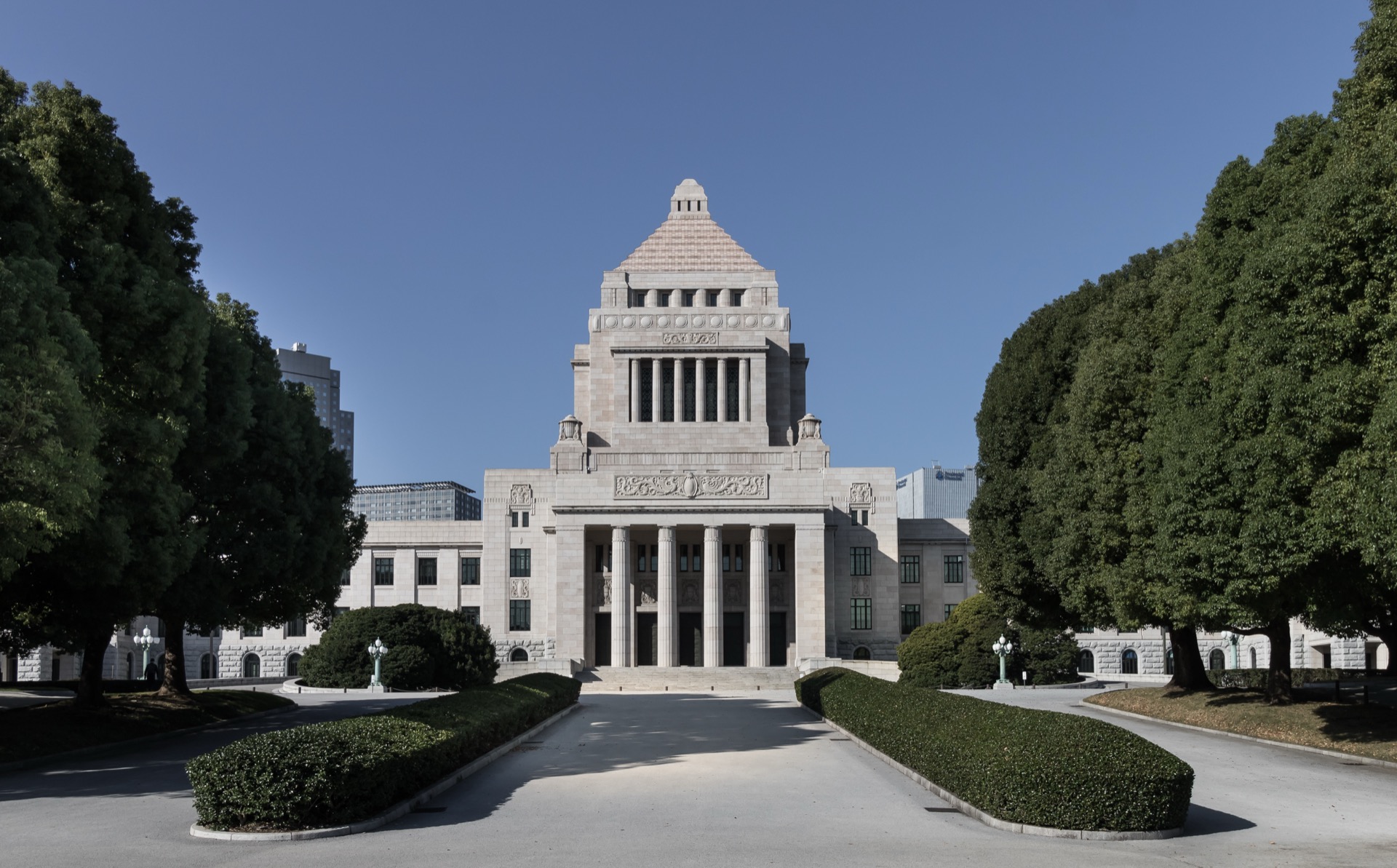
WASHINGTON, D.C. — Japan’s recent general election for the House of Representatives concluded with the ruling coalition retaining control of parliament, consolidating Prime Minister Sanae Takaichi’s leadership but reflecting notable shifts in party strength and voter sentiment.
The election, held nationwide to fill all 465 seats, affirmed the Liberal Democratic Party–Japan Innovation Party (LDP–JIP) coalition’s position, though some smaller parties saw fluctuating fortunes. Voters turned out against a backdrop of domestic economic concerns, debates over security policy, and public interest in political reform. The results are expected to influence Japan’s policy direction domestically and in its engagement on regional and global issues.
• Incumbent coalition success: The LDP–JIP coalition maintained its parliamentary majority, ensuring continuity in governance and enabling the prime minister to pursue her legislative and policy goals without the immediate threat of opposition-led obstruction.
• Centrist Reform Alliance debut: A newly formed political force, the Centrist Reform Alliance (CRA) — created through the merger of the Constitutional Democratic Party and Komeito — entered the political landscape with notable representation, appealing to voters seeking moderate policy alternatives and cooperation across ideological lines.
• Party performance: Traditional parties saw varied results, with some smaller groups gaining seats at the expense of others perceived as less attuned to current voter priorities. These outcomes underscore evolving political alignments as Japan navigates economic pressures and demographic trends that influence public sentiment.
• Prime minister’s mandate: Prime Minister Takaichi described the election results as an endorsement of her leadership and the coalition’s agenda. She emphasized the need to address key issues voters voiced during the campaign, including economic growth, social welfare, and national security.
• Voter turnout and engagement: Participation rates remained significant across regions, with urban centers reporting particularly robust turnout. Analysts noted heightened engagement among younger voters compared with previous cycles, suggesting a growing impact from demographic groups traditionally seen as less active at the polls.
• Policy implications: With the coalition’s victory secured, focus now shifts to legislative priorities. Economic strategy, support for innovation sectors, and responses to regional security challenges — particularly in East Asia — are expected to dominate parliamentary debate in the coming months.
Opinion leaders have emphasized that while the coalition’s hold on power provides stability, the presence of new and reconfigured political forces indicates that Japanese politics remains dynamic. Negotiations among parties on specific bills and reforms will reveal how these shifts translate into practical policy outcomes.
As Japan moves forward under the renewed parliamentary configuration, international observers are watching closely how the election results shape Tokyo’s engagement on trade, security alliances, and multilateral diplomacy amid a changing global environment.
The Washington Herald
editorial@thewashingtonherald.com
Washington, D.C.




Be First to Comment