
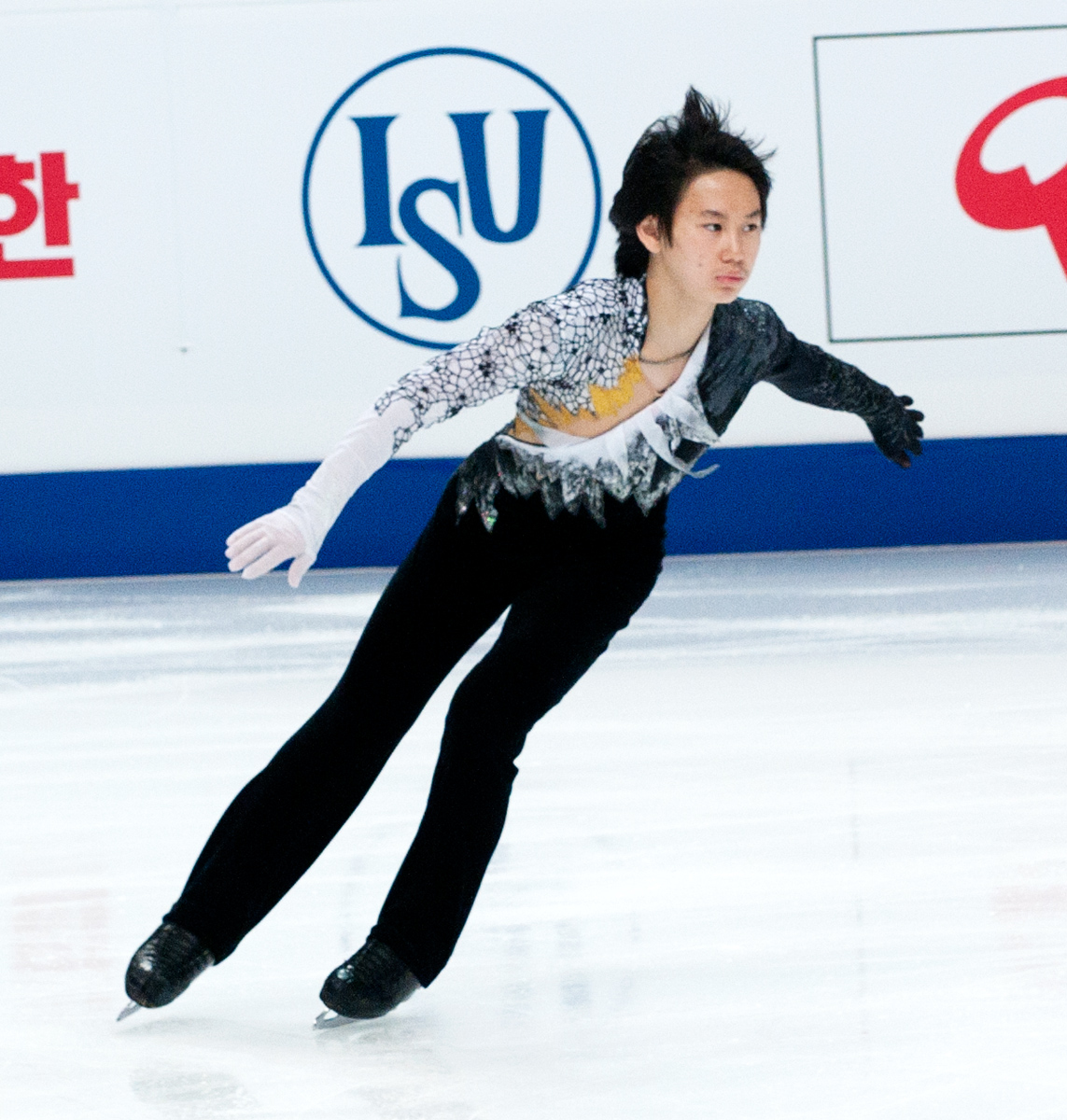
WASHINGTON, D.C. — The figure skating team event at the Milano‑Cortina 2026 Winter Olympics has begun on a dramatic note as nations take to the ice in a competition unusually open at the top due to the continued absence of Russian athletes from the field. With traditional powerhouses barred from participating, the team event — contested over several days — presents a rare opportunity for new contenders to contend for Olympic glory and reshape expectations in a sport long dominated by Russian success.
This team figure skating competition, part of the broader Olympic program, includes entries from multiple countries across men’s, women’s and dance segments, culminating in cumulative team scores that determine advancement and medal contention.
Open field without Russia: The absence of Russian skaters, still affected by international sanctions and bans related to broader geopolitical circumstances, has removed one of the historically dominant nations from medal contention, creating fresh competitive dynamics across the event.
United States and Japan among favorites: With Russia absent, the United States arrives as a leading contender, featuring highly ranked skaters and world champions in singles and dance disciplines. Japan, with its own cadre of world‑class athletes, is also viewed as a strong medal hopeful as the event unfolds.
Host nation Italy aiming for advantage: Competing on home ice, Italy is leveraging enthusiastic local support, with its team hoping to make the most of the opportunity in front of a partisan crowd, while other European nations like France also seek to capitalize on the open field.
Competition format: The Olympic figure skating team event requires nations to field competitors across multiple categories — including men’s and women’s singles, pairs and ice dance — contributing points through placements that cumulatively determine which teams advance to medal rounds later in the competition cycle.
The figure skating team event runs from February 6 through February 8, with short programs and rhythm dances setting the stage before free skates and free dances conclude the team competition. Fans and analysts alike are watching closely as early performances suggest a tighter, more unpredictable leaderboard than in recent Games.
Beyond medals, this event highlights the evolving landscape of Olympic skating when traditional powerhouse nations are absent, spotlighting emerging talents and national programs that may lead the sport into future seasons.
The Washington Herald
editorial@thewashingtonherald.com
Washington, D.C.




Be First to Comment