
WASHINGTON, D.C. — The U.S. Supreme Court has declined to block California’s new congressional district map after challenges from Republican lawmakers and voters, allowing the map to remain in place for the upcoming 2026 midterm elections. The decision ends weeks of legal uncertainty over district boundaries drawn under California’s Proposition 50 process and has immediate implications for partisan control of the U.S. House of Representatives.The high court’s action leaves intact a map approved by California election officials that redrew district lines following the 2020 census. Republican lawmakers and allied groups had argued that the map diluted conservative voters and violated federal voting rights protections. The challenge, brought by state legislators and voters, sought Supreme Court review after lower courts upheld the map’s legality.Supreme Court action: By declining to intervene before the 2026 elections, the Supreme Court effectively allowed election preparations and candidate filing deadlines to proceed under the existing map. The order was issued without full merits briefing, a procedural step that underscores the justices’ decision not to disrupt ongoing election preparations.Partisan stakes: California’s congressional delegation — one of the largest in the nation — plays a crucial role in the balance of power in the U.S. House. Democrats hold a substantial majority of the state’s seats following the 2022 redistricting, and the retention of the current map preserves the configuration under which they have fended off significant Republican gains.Legal background: Proposition 50, passed by California voters, established a new method for drawing state legislative and congressional maps with the goal of reducing partisan gerrymandering. Opponents claimed that the process nonetheless produced unequal districts and disadvantaged Republican voters; supporters countered that the maps were fair and complied with federal law.Political reactions: Democratic officials and voting rights advocates welcomed the Supreme Court’s decision, citing the need for stability and predictability in the electoral process. They argued that late changes to maps can confuse voters and disrupt campaign planning. Republican leaders expressed disappointment, signalling they may pursue legislative reforms in future cycles to address what they describe as imbalances in representation.Election preparations: With nomination filing deadlines approaching, California’s secretary of state indicated that election offices will continue preparations under the current map. Candidates from both parties are expected to finalise campaign strategies based on the approved district lines.Broader implications: The Supreme Court’s action comes amid a series of redistricting disputes nationwide, with multiple states facing litigation over gerrymandering and voting rights. The decision not to intervene in California may signal the justices’ reluctance to weigh in on redistricting battles at this stage in the election calendar.As candidates begin to solidify their 2026 bids and voters prepare for the upcoming primaries, California’s congressional map will shape political contests across the state and factor into broader national strategies for control of the U.S. House of Representatives.The Washington Heraldeditorial@thewashingtonherald.comWashington, D.C.
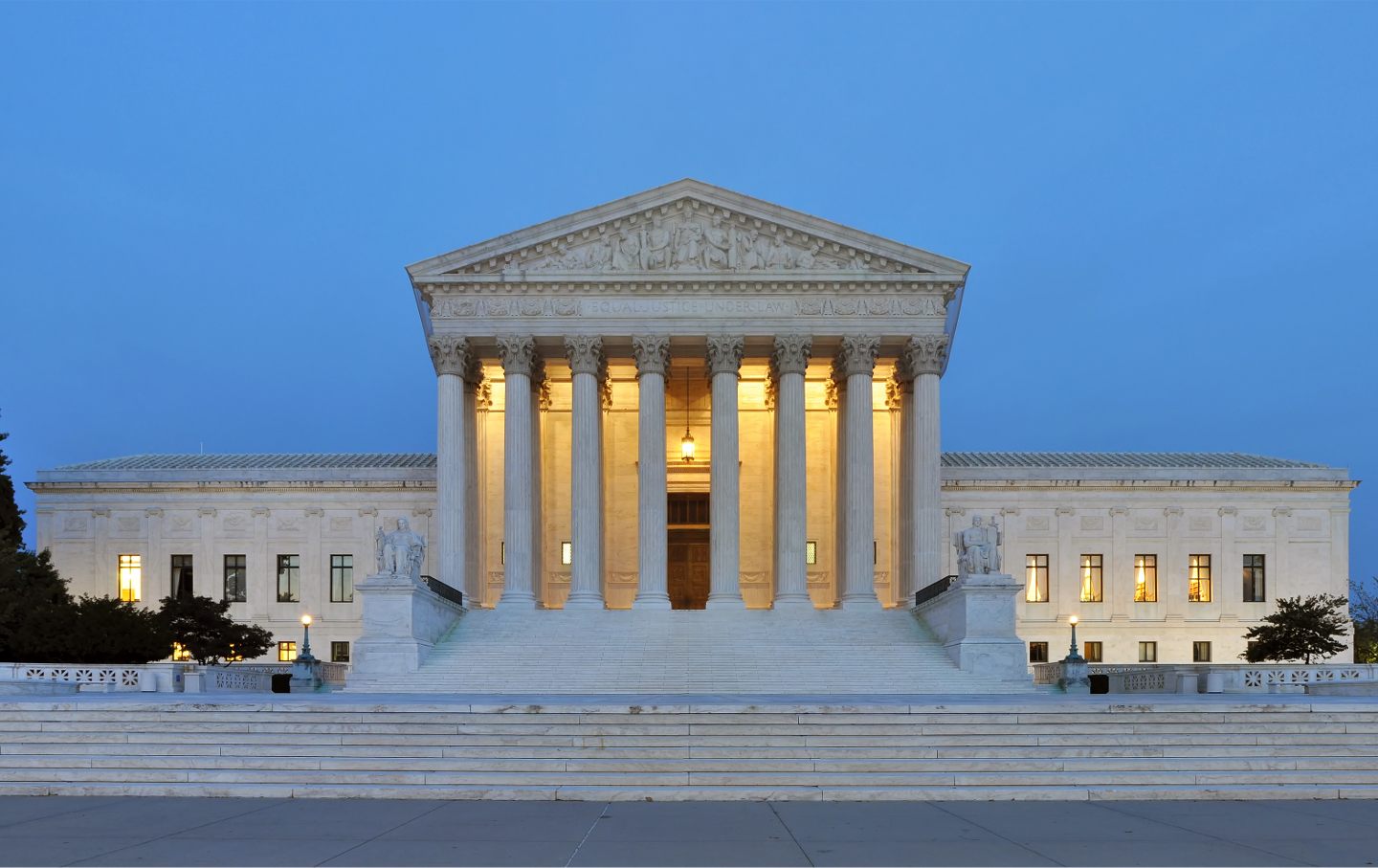
U.S. Supreme Court Lets California Congressional Map Stand Ahead of 2026 Midterm Elections
Published in News

More from NewsMore posts in News »
- Lawmakers Introduce Proposal to Modernize Federal Cybersecurity Infrastructure
- Congressional Panel Reviews National Water Infrastructure Modernization Strategy
- Lawmakers Introduce Bipartisan Cybersecurity Preparedness and Response Act
- Federal Transportation Officials Outline Modernization Plan for National Rail Infrastructure
- Lawmakers Debate Renewable Energy Tax Incentives Amid Budget Talks
Be First to Comment