
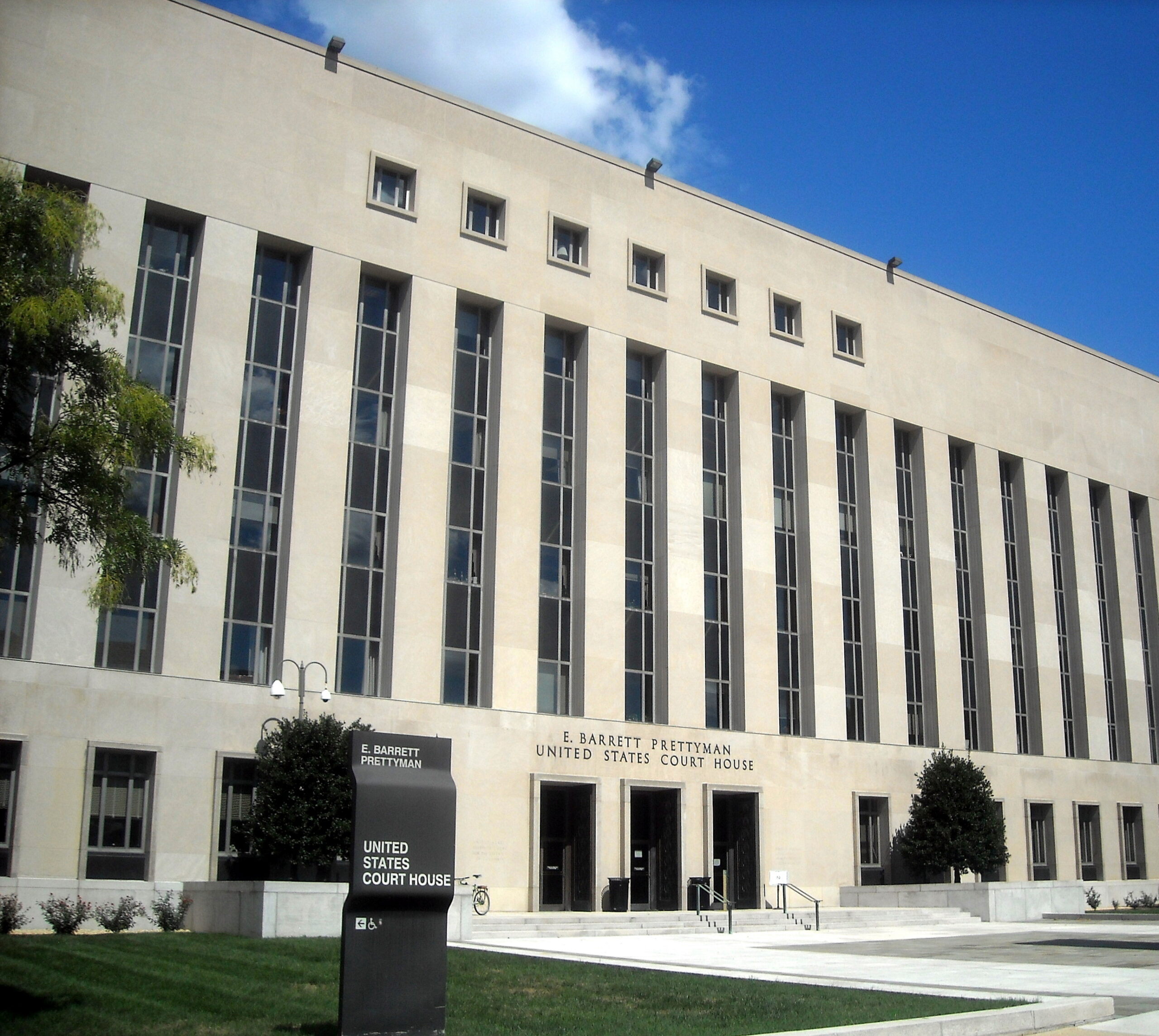
WASHINGTON, D.C. — A federal appeals court has blocked advancement of a major energy infrastructure project, ruling that federal agencies failed to fully assess environmental impacts and consult with affected Tribal nations before granting key approvals. The decision has sparked immediate reactions from environmental groups, energy industry stakeholders, and Indigenous communities, making it one of the most widely reported legal and regulatory developments today.
The project in question involves construction of a large‑scale natural gas pipeline and associated compressor stations intended to expand export capacity to domestic and international markets. Federal regulators had previously issued permits and environmental waivers, but legal challenges mounted as environmental advocates and Tribal governments argued that the approvals inadequately addressed potential harm to protected lands, water resources, and cultural heritage sites.
• Court ruling: The U.S. Court of Appeals found that the lead federal agency did not properly evaluate greenhouse gas emissions and failed to undertake meaningful consultation with Tribal governments whose ancestral lands and treaty rights could be affected by spills, construction, and long‑term operation of the facility.
• Project pause: As a result, construction and related permitting activities are now on hold while the agency revisits its environmental review and consultation obligations, which could delay the project for months or longer depending on future proceedings.
Environmental organizations hailed the ruling as a significant victory for climate accountability and compliance with federal environmental law. Advocacy groups argue that large infrastructure projects must be subject to rigorous review to ensure protection of ecosystems, water quality, and community health, especially in regions with vulnerable habitats or historical significance.
Tribal leaders expressed relief at the decision, saying the court’s emphasis on meaningful consultation reinforces long‑standing concerns about federal agencies sidelining Indigenous voices in decisions affecting ancestral territories. Representatives from several tribes said they look forward to more inclusive engagement in future reviews.
In contrast, industry officials and some local government leaders warned that the ruling could undermine energy infrastructure development and contribute to economic uncertainty in regions that had anticipated jobs and revenue tied to construction. Energy sector advocates said they would work with federal regulators to address the legal issues cited by the court while seeking to minimize delays.
• Policy implications: The decision highlights growing legal scrutiny of energy and infrastructure approvals, particularly as federal courts increasingly emphasize environmental safeguards under landmark statutes such as the National Environmental Policy Act and tribal consultation requirements.
• Government response: Federal agencies involved in the permitting process said they are reviewing the court’s opinion and exploring next steps, including potential revisions to their environmental analysis and outreach to Tribal partners.
The ruling arrives amid broader national debates over energy policy, climate goals, and infrastructure permitting reform. Lawmakers from both parties have signaled interest in clarifying environmental review processes and balancing energy development with conservation priorities.
Environmental lawyers noted that future litigation may hinge on how regulators incorporate climate impacts into project reviews and how they honor legal obligations to consult with Tribal governments — issues likely to shape infrastructure approvals for years to come.
The Washington Herald
editorial@thewashingtonherald.com
Washington, D.C.



Be First to Comment