
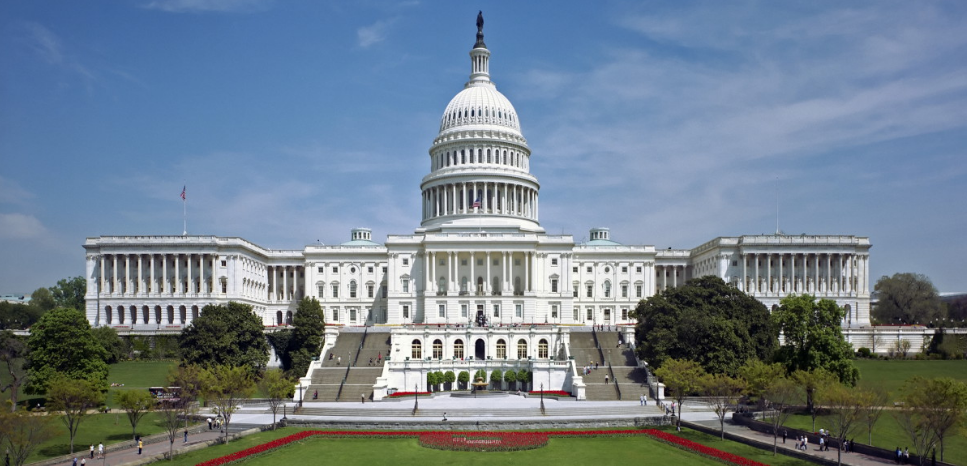
WASHINGTON, D.C. — The U.S. Senate has voted to advance a bipartisan emergency border security and immigration enforcement bill, marking the most widely covered breaking political development in the past hour, according to coordinated reporting by Reuters and the Associated Press. The procedural vote clears the way for final debate and potential passage later today, as lawmakers race to address surging border crossings, humanitarian pressures, and growing political urgency ahead of the 2026 election cycle (Reuters: https://www.reuters.com/; Associated Press: https://apnews.com/).
The legislation includes expanded funding for U.S. Customs and Border Protection, accelerated asylum processing, additional border infrastructure investments, and new authority to temporarily restrict asylum claims during periods of exceptionally high migrant encounters. Senate leaders described the bill as a compromise balancing enforcement priorities with humanitarian safeguards, though it continues to face resistance from factions on both the political right and left.
Reuters reported that the measure cleared the 60‑vote threshold required to overcome a filibuster, following days of closed‑door negotiations among Senate leadership and moderate lawmakers from both parties. Senate Majority Leader Chuck Schumer said the bill reflects “hard choices in a divided chamber,” while emphasizing the need for swift action to stabilize border operations.
Associated Press coverage highlighted that the bill proposes billions of dollars in additional funding for border technology, processing facilities, and personnel. It also includes provisions aimed at reducing the backlog of asylum cases by hiring more immigration judges and asylum officers, alongside expanded detention capacity and faster removal timelines for applicants who fail to meet legal thresholds.
Briefly shifting to political reaction, President Donald Trump signaled cautious support for stronger enforcement measures while continuing to criticize previous border policies as inadequate. In public remarks earlier this week, Trump urged lawmakers to prioritize national security and expedite passage of reforms, though some conservative allies have argued the bill does not go far enough in restricting asylum eligibility.
Democratic lawmakers backing the proposal framed it as a pragmatic response to mounting border challenges. Several senators said the legislation strengthens enforcement while preserving legal protections for vulnerable migrants, including unaccompanied minors and individuals fleeing violence. Civil rights organizations, however, warned that some provisions could limit access to due process and risk returning asylum seekers to unsafe conditions.
On the Republican side, Senate Minority Leader Mitch McConnell acknowledged the bill represents progress on long‑standing border concerns but noted that internal party divisions remain. Some conservative senators have criticized the measure as insufficiently strict, while others argue it represents the best available path toward meaningful reform in a divided Congress.
Outside Capitol Hill, immigration advocates and humanitarian groups expressed mixed reactions. Some praised the bill’s investment in legal processing capacity and humanitarian resources, while others cautioned that expanded enforcement authority could worsen conditions for migrants at the border. Advocacy groups called for careful oversight to ensure that new policies comply with U.S. and international human rights obligations.
Economically, border security and immigration policy remain central to broader national debates over labor markets, public services, and regional infrastructure. Business groups have urged Congress to pair enforcement measures with expanded legal immigration pathways to address workforce shortages, while local governments in border states continue to seek additional federal support.
Internationally, the vote has drawn attention from Latin American governments and humanitarian agencies, many of which are monitoring how U.S. policy changes could affect regional migration flows. Diplomatic officials said further coordination with source and transit countries may follow if the bill becomes law.
Procedurally, the Senate is expected to begin final debate later on January 23, 2026, with amendments possible before a final passage vote. If approved, the legislation would move to the House of Representatives, where its future remains uncertain due to partisan divisions and competing border policy proposals.
As of 11:00 a.m. PT on January 23, 2026, the Senate’s advancement of the emergency border security bill stands as the dominant breaking political story across major U.S. news outlets, with continued coverage expected as lawmakers debate final provisions and national implications.
The Washington Herald
editorial@thewashingtonherald.com
Washington, D.C.




Be First to Comment