
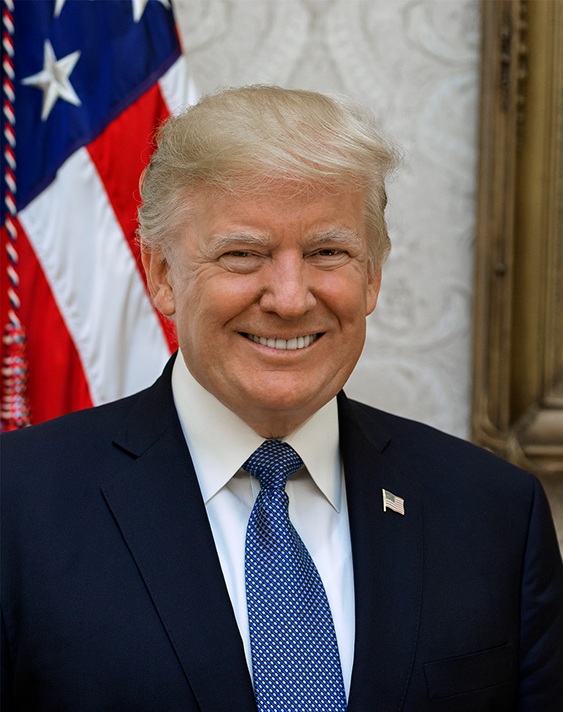
WASHINGTON, D.C. — U.S. President Donald Trump has filed a $5 billion lawsuit against JPMorgan Chase & Co. and its CEO Jamie Dimon, alleging the bank unlawfully closed or restricted his accounts for political reasons, in what has become the most widely covered breaking U.S. legal and political story in the past hour. The filing was first reported by Reuters and later confirmed and expanded by the Associated Press, with coverage rapidly spreading across major U.S. and international outlets.
According to the complaint, President Trump alleges that JPMorgan Chase violated its own internal policies and engaged in discriminatory treatment by terminating or limiting access to his personal and business banking relationships. The lawsuit contends that these actions were politically motivated, tied to public pressure on financial institutions following the January 6, 2021, U.S. Capitol attack and broader debates over corporate responses to political risk.
Reuters reported that the complaint accuses JPMorgan of “unilaterally — and without warning or remedy — terminating several of plaintiffs’ bank accounts,” asserting that the bank selectively enforced internal standards in a way that harmed Trump and his affiliated entities. The lawsuit seeks $5 billion in damages, citing alleged reputational harm, business disruption, and violation of contractual obligations.
In a statement to Reuters, JPMorgan Chase said it believes the lawsuit is without merit, adding that while it respects the president’s right to pursue legal action, it intends to defend itself vigorously. The bank has not publicly disclosed specific details about Trump’s accounts, citing privacy and regulatory constraints.
The Associated Press reported that the case revives a broader political debate over so‑called “debanking,” a term used by some conservative politicians to describe instances in which banks or financial institutions restrict services to individuals or groups deemed high‑risk due to legal, reputational, or compliance concerns. Trump and his allies have argued that such decisions amount to political discrimination, while banks generally maintain they are driven by risk management, legal exposure, and regulatory obligations.
In recent days, Trump has publicly criticized major financial institutions, alleging they have acted in concert with political and cultural pressures to marginalize conservative figures and organizations. The lawsuit follows his earlier statements indicating he intended to pursue legal remedies over what he characterized as unfair financial treatment.
Legal experts note that cases involving account closures typically hinge on contract law, anti‑discrimination statutes, and the broad discretion banks retain under customer agreements. Financial institutions generally reserve the right to terminate accounts for a range of reasons, including reputational risk, compliance concerns, or changes in business strategy, though plaintiffs can challenge such decisions if they believe contractual terms or laws were violated.
Briefly shifting to market and political reaction, JPMorgan Chase shares moved modestly in pre‑market and early trading as investors assessed potential legal and reputational implications. Analysts quoted by Reuters suggested that while the lawsuit is high‑profile, its ultimate financial impact on the bank may depend on whether the case proceeds beyond early procedural stages.
Politically, the filing adds to a growing series of legal confrontations between President Trump and major U.S. institutions, including media companies, technology firms, and financial organizations. Supporters of the president have framed the lawsuit as part of a broader effort to challenge what they describe as institutional bias, while critics argue it risks politicizing routine corporate compliance decisions.
Separately, AP News reported that civil liberties advocates and financial‑policy specialists are watching the case closely, as its outcome could influence how banks handle politically exposed clients in the future. If the lawsuit advances, it could prompt renewed scrutiny of industry practices related to account risk assessments and corporate political neutrality.
As of 10:30 a.m. PT on January 22, 2026, no court hearing date has been announced, and JPMorgan Chase has not yet filed a formal response beyond its public statement. Reuters and the Associated Press both report that additional legal filings and responses are expected in the coming days as the case proceeds through federal court.
The Washington Herald
editorial@thewashingtonherald.com
Washington, D.C.


Be First to Comment