
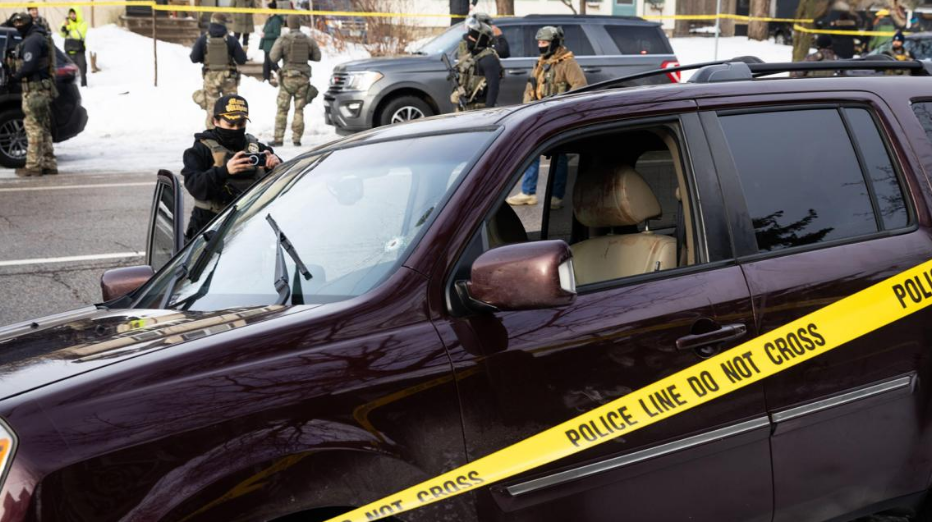
WASHINGTON, D.C. — National attention has coalesced around the aftermath of a fatal shooting involving a U.S. Immigration and Customs Enforcement (ICE) officer in Minneapolis, drawing widespread reporting, protests, and political responses in multiple cities over the past several hours. Conflicting accounts from federal officials and local authorities have intensified public debate and prompted calls for transparency and investigation.
In Minneapolis, Minnesota, law enforcement and federal officials confirmed that an ICE officer fatally shot a 37-year-old woman, identified as Renee Nicole Good, during an enforcement operation on Wednesday, January 7, 2026, in a residential neighborhood. Federal authorities stated the officer acted after the woman’s vehicle allegedly posed a threat to agents; however, local officials and community witnesses have disputed that description, saying she was driving away when she was struck.
Community activists organized vigils and protests outside the federal building in Minneapolis Thursday morning, with demonstrators demanding answers and public access to all evidence, including body-camera footage.
Minnesota’s governor and the city’s mayor criticized the federal account, calling for a thorough and independent investigation into the circumstances of the shooting while stressing the need for accountability and clarity.
The incident has also sparked demonstrations in other cities, where crowds have gathered to express frustration with federal immigration enforcement practices. In New York City’s Foley Square, protesters held signs and chanted slogans urging federal authorities to be transparent and responsible. Similar gatherings were reported in several midwestern and west coast urban centers, signaling broader public engagement beyond Minneapolis.
Federal authorities have maintained that the incident remains subject to active investigation, with the Federal Bureau of Investigation (FBI) and Department of Homeland Security personnel reviewing evidence and witness statements. A statement from DHS reiterated that all use-of-force incidents are reviewed under agency guidelines, and any deviations from policy could result in disciplinary action or legal consequences for involved officers.
Civil rights organizations and advocacy groups have condemned the shooting and called for systemic reforms. Several legal rights coalitions issued statements urging Congress to hold hearings on federal immigration enforcement practices, while outlining concerns about existing protocols regarding officer conduct in community settings. Proponents of reform argue that clearer standards and accountability measures are essential to preventing similar incidents.
Political leaders have also weighed in. Some lawmakers have criticized federal enforcement tactics and called for increased oversight, while others defended the officer’s actions as a difficult split-second decision under challenging circumstances. The range of political statements reflects deep divides in national discourse over immigration enforcement and public safety.
Local authorities in Minneapolis have signaled ongoing cooperation with federal investigators but have stressed that community trust is fragile. Officials have emphasized their commitment to transparency and have indicated that additional briefings may be scheduled once more information becomes available.
As of this Thursday morning, investigators continue to collect and evaluate evidence, review video recordings, and interview witnesses. Legal representatives for the woman’s family have indicated they may pursue civil action depending on the findings of formal inquiries. The evolving situation is expected to remain in the news cycle as additional details emerge and authorities address public concerns.
The Washington Herald
editorial@thewashingtonherald.com
Washington, D.C.

Be First to Comment