
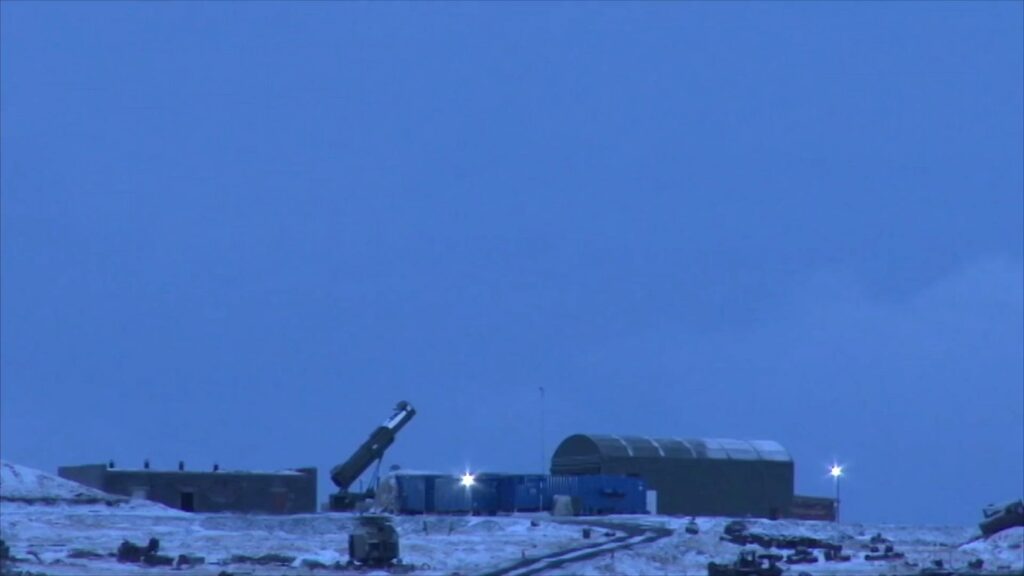
WASHINGTON, D.C. — On Sunday, October 26, 2025 at approximately 11:30 a.m. PT, the Moscow‑based defence ministry announced that it had successfully tested a nuclear‑powered cruise missile known as the 9M730 Burevestnik (NATO designation “Storm Petrel”), claiming the weapon flew roughly 14,000 km (8,700 miles) and remained airborne for about 15 hours.
According to Russia’s top general, Valery Gerasimov, speaking to President Vladimir Putin, the test was conducted on October 21 and is framed in Moscow as proof of “invincible” capability able to defeat any missile‑defence shield.
• The missile is described by Russia as nuclear‑capable with almost unlimited range.
• The announcement comes amid heightened tensions in the global strategic environment, and follows earlier reports of Russia developing strategic weapons lines.
• Analysts in the West note that independent verification of the missile’s performance remains unavailable and raise caution about accepting Moscow’s claims at face value.
• The U.S. and some NATO allies have for years tracked Russia’s efforts to develop new strategic weapons systems, but have not publicly confirmed this specific test.
• While Russia claims the weapon can defeat missile defences, no detailed flight data, telemetry or verification from third‑party sources has been released.
• The test’s timing and public announcement suggest a message dimension: demonstrating advanced capability amid geopolitics and defence negotiations.
In Washington, officials declined to immediately comment on the accuracy of the claim, with spokespeople saying standard intelligence review was underway. Some experts say the announcement may serve both technical and strategic signalling goals.
From a US perspective, the development of a nuclear‑powered cruise missile would mark advancement of a programme widely scrutinised since earlier US intelligence reports. The claimed flight time (15 hours) and distance (14,000 km) imply an extremely long‑endurance system beyond conventional ranges of similar weapons.
Observers noted that if genuine, the system would challenge existing defence infrastructures, forcing reconsideration of missile‑defence postures and strategic deterrence frameworks. However, sceptics point out that earlier Russian claims of advanced weapons in the same programme have yet to be independently verified.
The test also raises questions about arms‐control regimes. Under the current international framework, nuclear‑powered cruise missiles are not explicitly banned, but the apparent scale and purported capability of this system may complicate efforts at future treaties or confidence‑building measures.
As of 11:30 a.m. PT, the announcement appears to be the most widely reported international security story over the past few hours, with global news agencies including Reuters and Associated Press distributing the item broadly.
The Washington Herald
editorial@thewashingtonherald.com
Washington, D.C.




Be First to Comment